
ACFT Calculator
Free Army Combat Fitness Test Score Calculator
Calculate Your ACFT Score
Instantly see how you perform on the Army Combat Fitness Test
⚠️ DISCLAIMER: This ACFT Calculator is provided for educational and informational purposes only. It is based on official U.S. Army Combat Fitness Test standards and provides approximate scores. This calculator is NOT a substitute for official ACFT testing conducted by certified Army examiners.
Accuracy Notice: While this calculator aims to be accurate, actual ACFT scores may differ from calculator results. For official scoring and certification, you must take the ACFT with a certified examiner.
Health & Safety: Before starting any fitness program or training regimen, consult with a qualified healthcare professional or physician. This calculator does not provide medical advice.
No Liability: We make no guarantees regarding the accuracy, completeness, or reliability of this calculator. Users assume all responsibility and risk when using this tool. For official ACFT information, visit www.army.mil/aft
ACFT Calculator
Your Score
Minimum Standards
- Heavy: 440 pts (70 per event)
- Significant: 440 pts (65 per event)
- Moderate: 360 pts (60 per event)
The Complete Guide to the ACFT Calculator
The Army Combat Fitness Test (ACFT) represents a fundamental shift in how the United States Army assesses soldier fitness. Unlike its predecessor, the Army Physical Fitness Test (APFT), the ACFT focuses on functional, combat-relevant movements that directly translate to battlefield readiness. An ACFT calculator is an indispensable tool that allows soldiers, fitness enthusiasts, and military personnel to instantly determine their performance scores across all six events, making it easier to track progress and identify areas for improvement.
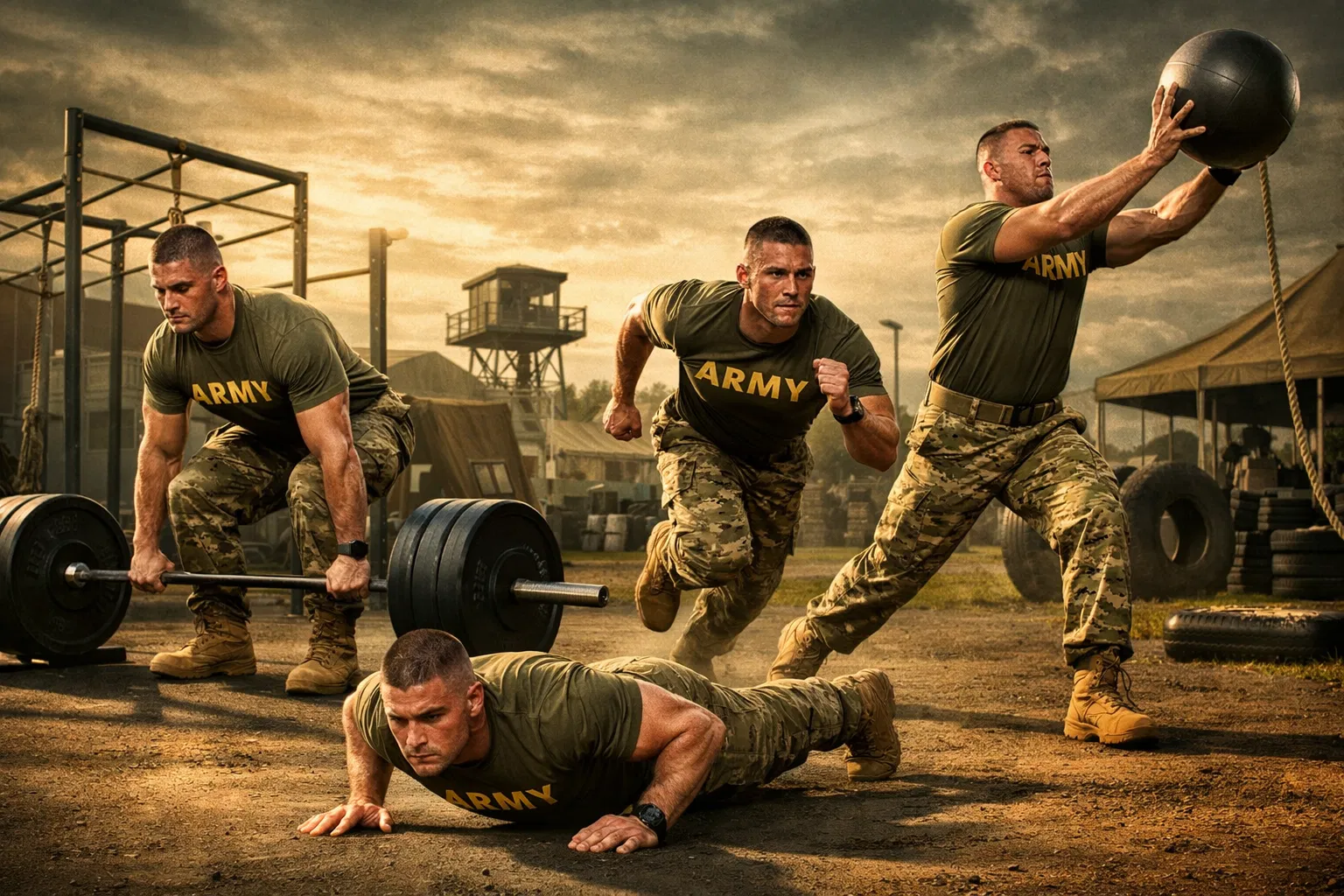
Understanding the ACFT: Six Events That Define Military Fitness
The ACFT comprises six distinct events, each designed to evaluate different aspects of physical capability essential for combat operations. These events are scientifically selected to assess strength, power, endurance, and anaerobic capacity—all critical components of soldier readiness.
1. 3-Repetition Maximum Deadlift (MDL)
The deadlift serves as the foundation for assessing lower body and grip strength. Soldiers perform three maximum-weight deadlifts using a standard 60-pound hex bar, with scoring based on the heaviest weight successfully lifted. This event directly correlates with a soldier’s ability to lift and carry heavy equipment during tactical operations. The MDL is crucial for developing the foundational strength needed across all military occupational specialties.
2. Standing Power Throw (SPT)
This event evaluates explosive power and dynamic strength. Using a 10-pound medicine ball, soldiers perform a backward and overhead throw, with distance measured in meters. The Standing Power Throw assesses the rapid force generation necessary for movements like throwing grenades or rapidly moving heavy objects in combat scenarios. This explosive power is essential for quick tactical movements and emergency responses.
3. Hand Release Push-Up (HRP)
Upper body muscular endurance is critical for sustained combat operations. Soldiers perform as many hand-release push-ups as possible within a two-minute window. This event tests not only strength but also muscular endurance and the ability to maintain performance under fatigue. The HRP directly translates to a soldier’s capability to perform repetitive upper body movements during extended operations.
4. Sprint-Drag-Carry (SDC)
The SDC is a composite event that combines multiple movement patterns into a single 5 x 50-meter shuttle course. Soldiers sprint, drag a weighted sled, perform lateral movements, carry kettlebells, and sprint again. This event comprehensively assesses muscular endurance, anaerobic power, agility, and coordination—all essential for tactical movements. The SDC is considered the most challenging event as it combines strength, power, and endurance.
5. Plank Hold (PLK)
Core strength and stability are fundamental to injury prevention and movement efficiency. Soldiers maintain a proper plank position for as long as possible, with time serving as the scoring metric. A strong core provides the foundation for all other movements and is critical for maintaining proper form during combat operations. Core stability also prevents injuries during high-intensity tactical activities.
6. Two-Mile Run (2MR)
Aerobic endurance determines a soldier’s ability to sustain physical activity over extended periods. The two-mile run measures this fundamental fitness component, with faster times earning higher scores. This event is particularly important for soldiers who must maintain operational capability during prolonged missions. Aerobic fitness ensures soldiers can perform their duties effectively even after sustained physical exertion.
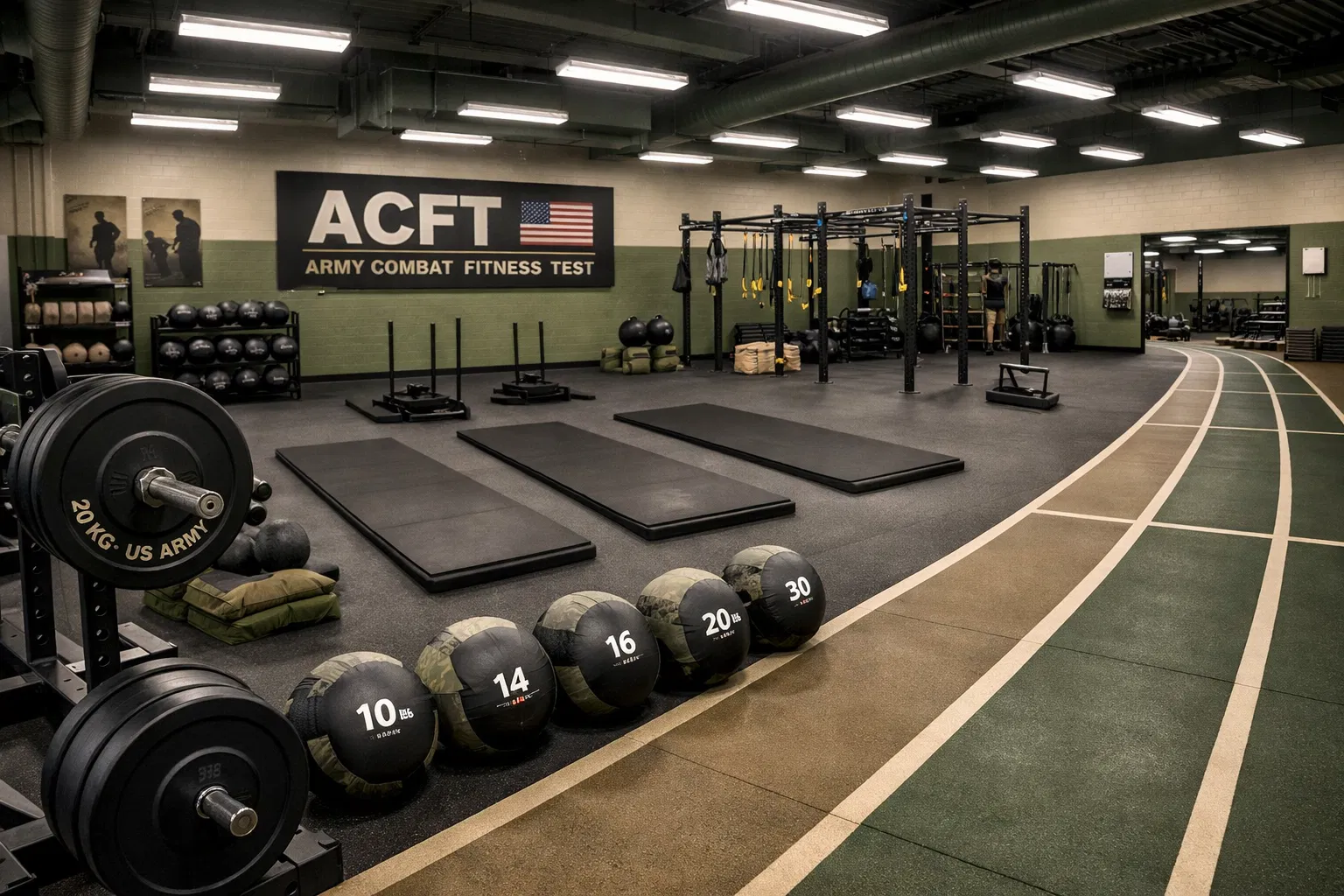
How ACFT Scoring Works: A Comprehensive Breakdown
The ACFT scoring system is more sophisticated than simple pass-fail metrics. Understanding how points are allocated across different age groups and genders is crucial for interpreting your calculator results accurately. The scoring methodology ensures fair assessment while maintaining rigorous physical standards.
Total Score and Maximum Points
The ACFT is scored on a scale of 0 to 600 points, with each of the six events worth a maximum of 100 points. Your total ACFT score is the sum of all six event scores, providing a comprehensive assessment of overall fitness. This scoring system allows for detailed analysis of individual strengths and weaknesses across different fitness domains.
Minimum Standards by Military Occupational Specialty (MOS)
The Army recognizes that different roles require different levels of physical capability. Accordingly, minimum standards vary based on MOS category. Understanding your MOS category is essential for knowing what score you need to achieve.
| MOS Category | Minimum Total Score | Minimum Per Event | Description |
|---|---|---|---|
| Heavy (Black) | 440 points | 70 points | Combat infantry, special forces, and physically demanding roles |
| Significant (Gray) | 440 points | 65 points | Support roles with moderate physical demands |
| Moderate (Gold) | 360 points | 60 points | Administrative and support roles with minimal physical demands |
Age and Gender Adjustments
The ACFT recognizes that physical performance naturally varies by age and gender. Scoring tables are adjusted for five age groups: 17-21, 22-26, 27-31, 32-36, and 37-41 years old. Each age group has distinct scoring thresholds for both male and female soldiers, ensuring fair assessment across the entire soldier population. This approach acknowledges physiological differences while maintaining consistent fitness standards.
Using the ACFT Calculator: Step-by-Step Guide
An effective ACFT calculator streamlines the scoring process and provides instant feedback on your performance. Follow these steps to use the calculator effectively and understand your results.
Step 1: Select Your Demographics
Begin by selecting your gender (male or female) and age group. These selections determine which scoring table the calculator uses to evaluate your performance. Accurate demographic information is essential for receiving correct scoring results.
Step 2: Input Your Event Results
For each of the six events, enter your performance metric. The calculator will instantly display your points for each event and your total ACFT score. Use the sliders or number inputs to enter your values—both methods work equally well.
Step 3: Review Your Scores
The calculator instantly displays your points for each event and your total ACFT score. The results sidebar shows whether your score meets, exceeds, or falls short of the minimum standard for your MOS category. Pay attention to the color-coded status indicator for quick assessment.
Step 4: Analyze Your Results
Use the detailed breakdown to identify your strengths and weaknesses. If you scored high on strength events (MDL, SPT, HRP) but lower on endurance events (SDC, PLK, 2MR), your training should emphasize cardiovascular conditioning. Conversely, if your endurance scores are strong but strength scores are weak, prioritize resistance training.
Strategies for Improving Your ACFT Score
Achieving a high ACFT score requires a comprehensive training approach that addresses all six events. Here are evidence-based strategies for improvement that will help you maximize your performance.
Strength Development
The deadlift, power throw, and push-ups all require significant strength. Incorporate compound exercises like squats, bench presses, and rows into your training regimen. Progressive overload—gradually increasing weight or resistance—is essential for continuous improvement. Aim to train strength 2-3 times per week with adequate recovery between sessions.
Power and Explosiveness
The Standing Power Throw specifically assesses explosive power. Plyometric exercises such as box jumps, medicine ball throws, and explosive push-ups develop the rapid force generation necessary for this event. Include explosive movements in your training 1-2 times per week to develop power without overtraining.
Muscular Endurance
Events like the hand-release push-up and plank require sustained muscular effort. High-repetition training with moderate weights, circuit training, and time-under-tension exercises build the muscular endurance necessary for these events. Circuit training that combines multiple movements is particularly effective.
Anaerobic Conditioning
The Sprint-Drag-Carry event demands anaerobic power. High-intensity interval training (HIIT), sprint intervals, and circuit training that combines strength and speed movements develop this critical capability. Include anaerobic work 1-2 times per week to avoid overtraining.
Aerobic Endurance
The two-mile run is primarily an aerobic event. Steady-state running, tempo runs, and long-distance training build the aerobic base necessary for strong performance. Include both continuous running and interval training in your regimen. Aim for 3-4 aerobic training sessions per week.
Core Stability
The plank hold directly assesses core strength, but a strong core benefits all ACFT events. Planks, dead bugs, bird dogs, and anti-rotation exercises strengthen the core musculature essential for stability and injury prevention. Include core work in every training session.
Common Mistakes to Avoid When Using an ACFT Calculator
While ACFT calculators are powerful tools, misuse can lead to inaccurate assessments. Avoid these common mistakes to ensure you get accurate results and make informed training decisions.
Inaccurate Data Entry: Ensure you input your actual performance metrics, not aspirational targets. The calculator is only as accurate as the data you provide. Be honest about your current performance levels.
Ignoring Age Group Adjustments: Remember that scoring tables vary by age group. Using the wrong age group will produce inaccurate results. Always select your correct age group before calculating scores.
Misinterpreting Minimum Standards: Understand that meeting the minimum standard for your MOS category is the baseline requirement, not the target. Aim to exceed these standards to demonstrate superior fitness and increase competitiveness.
Neglecting Event-Specific Training: Some soldiers focus exclusively on events where they excel while neglecting weaker areas. Balanced training across all six events produces the best overall results and prevents injury.
Underestimating Recovery: Improvement requires adequate recovery between training sessions. Overtraining without sufficient rest leads to plateaus and injury. Include rest days and prioritize sleep and nutrition.
The Evolution of Army Fitness Testing
The ACFT represents a significant evolution from the Army Physical Fitness Test (APFT), which assessed push-ups, sit-ups, and a two-mile run. The shift reflects a growing recognition that modern military operations demand more diverse physical capabilities. The ACFT’s emphasis on functional, combat-relevant movements ensures that soldiers are physically prepared for the demands of contemporary warfare.
This evolution underscores the importance of using modern assessment tools like the ACFT calculator. By leveraging these tools, soldiers can align their training with current military standards and ensure they are prepared for the physical demands of their roles. The ACFT represents the Army’s commitment to evidence-based fitness assessment and soldier readiness.
Frequently Asked Questions About the ACFT Calculator
A: Most units conduct ACFT testing annually, though some conduct it twice yearly. Use the calculator monthly during training to track progress toward your goals and monitor improvements in individual events.
A: Yes, with focused training. Most soldiers see measurable improvements within 4-6 weeks of consistent, targeted training. Significant improvements typically require 8-12 weeks of dedicated effort across all six events.
A: Performance naturally varies based on fatigue, nutrition, sleep, and other factors. Use the calculator to track average performance rather than focusing on individual results. Consistency matters more than any single test.
A: The ACFT is specific to the Army. Other branches use different fitness tests with their own scoring methodologies. Each branch has tailored their fitness assessments to their specific operational requirements.
A: Scores above 480 are generally considered competitive for promotion and special assignments. Scores above 540 are exceptional and demonstrate superior fitness levels. Aim for scores in the 500+ range for maximum competitiveness.
A: The Army transitioned from ACFT (Army Combat Fitness Test) to AFT (Army Fitness Test) in 2025. The AFT maintains the same 6 events but with updated scoring standards. Our calculator uses the latest official standards for accurate results.